
Valencia
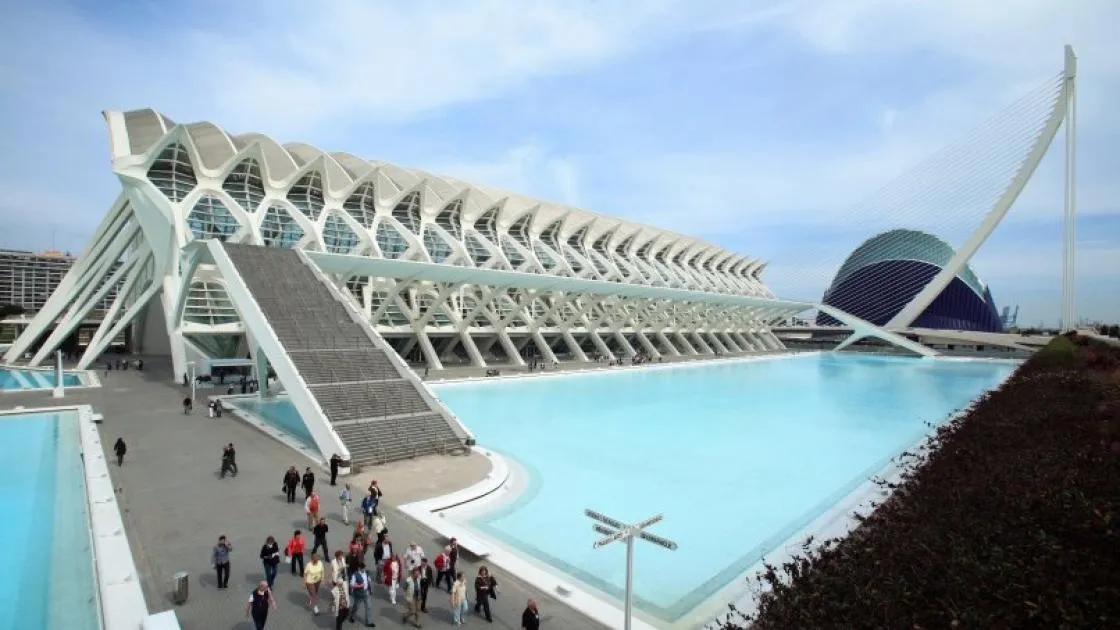
Valencia fue fundada por los romanos en una isla fluvial cercana al mar, a orillas del río Turia. A solo 10 kilómetros al sur se encuentra la Albufera —uno de los lagos más grandes de España y el primer parque natural de la Comunidad Valenciana—, célebre por sus 14 000 hectáreas de arrozales. La ciudad cuenta además con uno de los cascos antiguos más extensos de España (169 hectáreas), que alberga monumentos emblemáticos como la Catedral y el Miguelete, las Torres de Serranos y de Quart, la Lonja de la Seda —declarada Patrimonio de la Humanidad por la UNESCO— y la moderna Ciudad de las Artes y las Ciencias, junto con importantes museos como el Museo de Bellas Artes y el IVAM.
Su gastronomía tradicional se basa en el aceite de oliva mediterráneo, las verduras y el pescado y marisco, con el arroz como protagonista indiscutible. El plato más famoso de Valencia, la paella, tuvo su origen en los humedales de la Albufera como una receta humilde elaborada con arroz, pollo, conejo, pato y verduras frescas. Con el paso del tiempo, han surgido diversas variantes, entre ellas la paella de marisco, las opciones vegetarianas y la fideuà, en la que el arroz se sustituye por fideos.
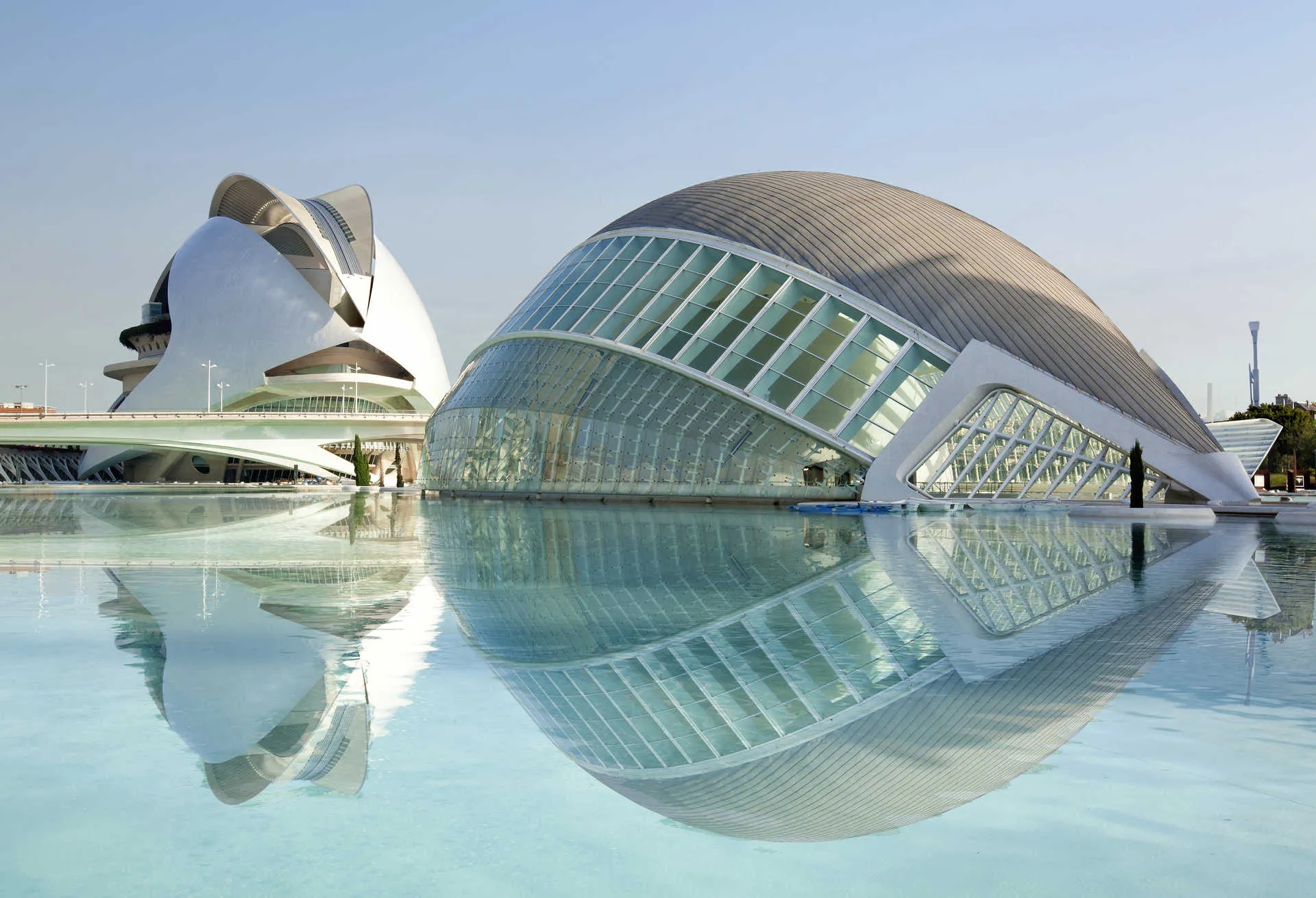
Descubre la esencia de Valencia

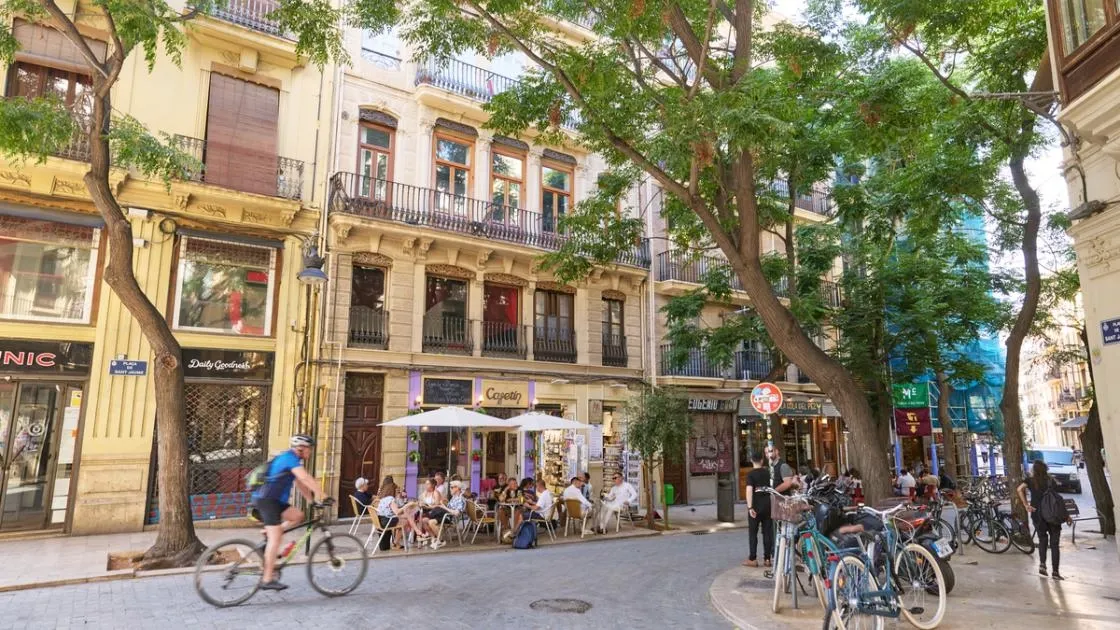
A blend of rich history (UNESCO Silk Exchange, Cathedral, Old Town) alongside modern landmarks like the City of Arts and Sciences, creating a unique urban architectural contrast.
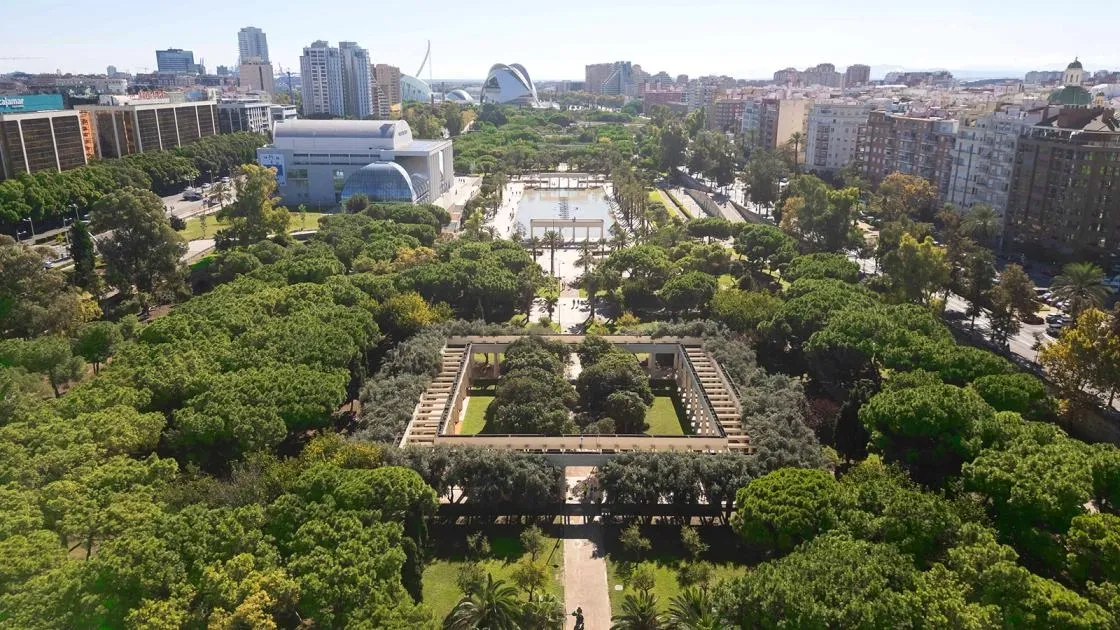
Enjoy over 300 sunny days a year, vibrant sandy beaches, and sprawling green landscapes like the Turia Gardens and Albufera Park, offering an unbeatable setting for outdoor exploration.
The birthplace of authentic Paella, famous for fresh Mediterranean flavors, vibrant local festivals such as Las Fallas, and a dynamic, continuously growing creative community.



Getting to Valencia
Valencia is seamlessly connected to major European capitals and Spanish regions through a modern, fast, and efficient transport network.
As one of Southern Europe’s main Mediterranean hubs, Valencia offers excellent international accessibility, direct continental routes, and streamlined arrivals designed for smooth travel across Europe.
- By Plane: Direct flights connecting Valencia (VLC) with major European hubs.
- By Train: High-speed connections arriving at Joaquín Sorolla Station.
- By Long-Distance Bus: Central international coach arrivals at Menéndez Pidal Station.
- By Car: Direct access from the AP-7 Mediterranean motorway linking to France and Europe, and the A-3 highway connecting directly to Madrid and central Spain.
- ...
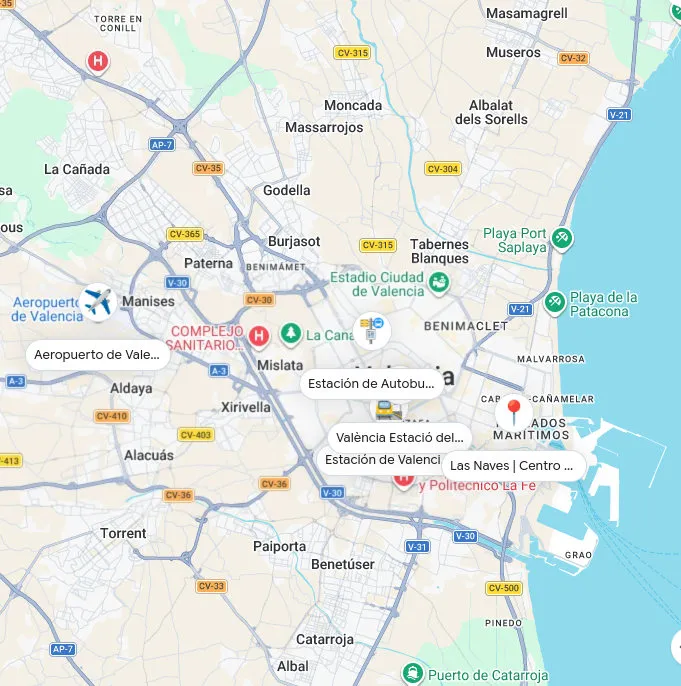
The Valencia Airport (Manises, VLC) offers direct flights from dozens of European cities served by both flag carriers and budget airlines.
From inside the terminal, you can reach the city center or Marítim station (located near the venue) in just 20–25 minutes via Metrovalencia Lines 3 or 5.
The Valencia Bus Station, located next to the Turia riverbed, centralizes national and international bus arrivals.
or road travel, Valencia is easily accessible via the AP-7 highway (Mediterranean motorway linking down from France) and the A-3 highway (connecting straight to Madrid and central Spain).
Acommodation
The wide variety of accommodation options in Valencia ensures that all attendees of DrupalCamp will find a suitable place to stay, independently of their budget or preferences.
The hotel capacity of the city, combined with its hospitality and high-quality service, ensures that participants will have a comfortable and pleasant stay.